Trauma Therapy
Trauma can shape how you relate to your body, emotions, relationships, and sense of safety. In therapy, I prioritize a steady, compassionate space to honor the profound impact your experiences have had while working toward healing and greater safety using current trauma-informed, evidence-based approaches.

Service introduction
Trauma can continue shaping life long after the original experience has ended.
It may show up as anxiety, shutdown, people-pleasing, difficulty trusting yourself, relationship struggles, chronic tension, numbness, or a sense that something in you is still bracing.
Many people appear highly functional while carrying a nervous system that rarely feels at ease.
Trauma therapy is not about becoming the person you would have been if difficult things had never happened. Some experiences leave lasting marks. Some losses deserve to be grieved rather than overcome. Some adaptations that once helped you survive may still deserve respect, even as they begin to cost you.
Our work is not to erase what happened or force healing into a particular shape. It is to develop a more understanding relationship with yourself, expand choice where survival patterns have become limiting, and create a life that feels more livable, connected, and your own.
You Might be Here Because…
feel hopeless, fearful, or exhausted by life
feel on edge even when life looks “fine”
repeat patterns you understand but cannot seem to change
struggle with trust, boundaries, or people-pleasing
panic, dissociate, freeze, or shut down under stress
feel disconnected from your body or emotions
carry painful experiences that still affect you, whether or not you call them trauma
You do not need a diagnosis or perfect story for your pain to be real. You don’t even need to identify with the word “trauma”.

When Insight Is Not Enough
You may know something logically, yet still feel something entirely different in your body.
You may know you are safe and still feel on guard.
You may know a relationship is healthy and still expect harm,
Or know you deserve rest and still feel unable to stop.
This is often where trauma lives: beneath conscious thought, in learned protective responses.
Talk therapy can be meaningful. But insight alone does not always reach the places trauma shaped.
What to expect
I offer trauma therapy that integrates depth-oriented talk therapy with body-based awareness.
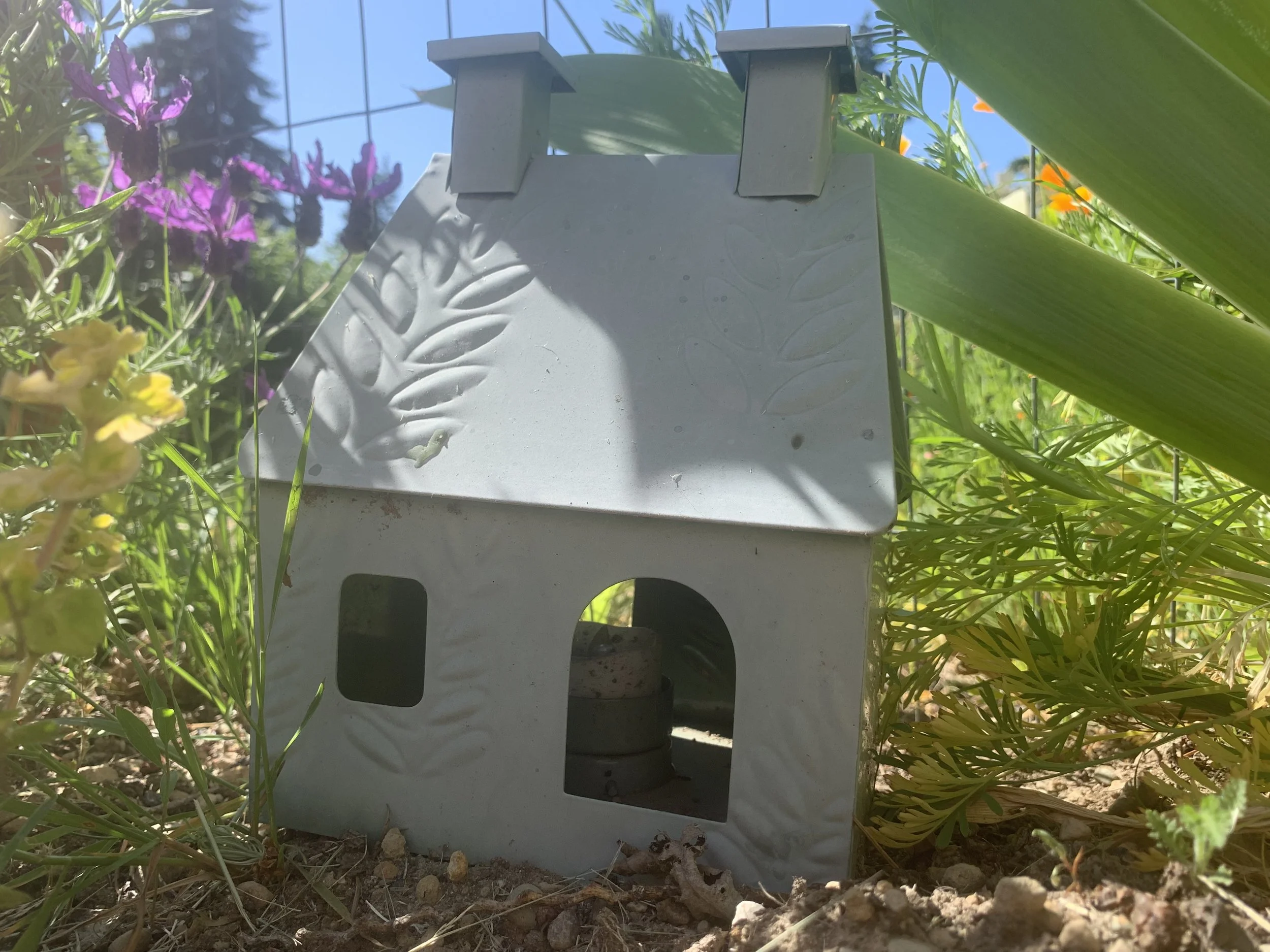
This may include mindfulness, breath, movement, noticing sensation, pacing, narration, and working with nervous system responses as they arise in real time.
We do not force disclosure.
We do not push past your capacity.
We do not measure progress by how much pain you can recount.
Instead, we build safety, choice, and a more trusting relationship with yourself. Some patterns may soften with time. Others may remain part of your story. Our work is not measured by how "fixed" you become, but by your ability to live with greater self-understanding, flexibility, and connection.
Session Length Options:
I offer 50-minute and 90-minute sessions.
Longer sessions can provide more space to slow down, notice body cues, and deepen self-attunement.
Together, we decide what best supports your needs.


Begin Trauma Therapy in Seattle
Healing does not have to mean reliving everything alone. Reach out for trauma-informed support that honors both body and mind.
FAQ
Can trauma therapy be done remotely or outdoors?
Yes. Trauma therapy can be offered via telehealth or in-person outdoor sessions, depending on what feels most supportive for you.
Can trauma therapy be combined with other focus areas?
Yes. Trauma work can be integrated with support around daily life, relationships, stress, and other challenges, based on what’s most important to you.
Do I need to talk about my trauma in detail?
No. You don’t need to share more than feels safe or necessary. We can work with your experiences at a pace that supports you, focusing on what feels manageable in the moment. There is no requirement to go into detailed recounting of events in order to do this work.
Do I need a diagnosis to work with you?
No. Many people seek support without a formal diagnosis ahead of time.