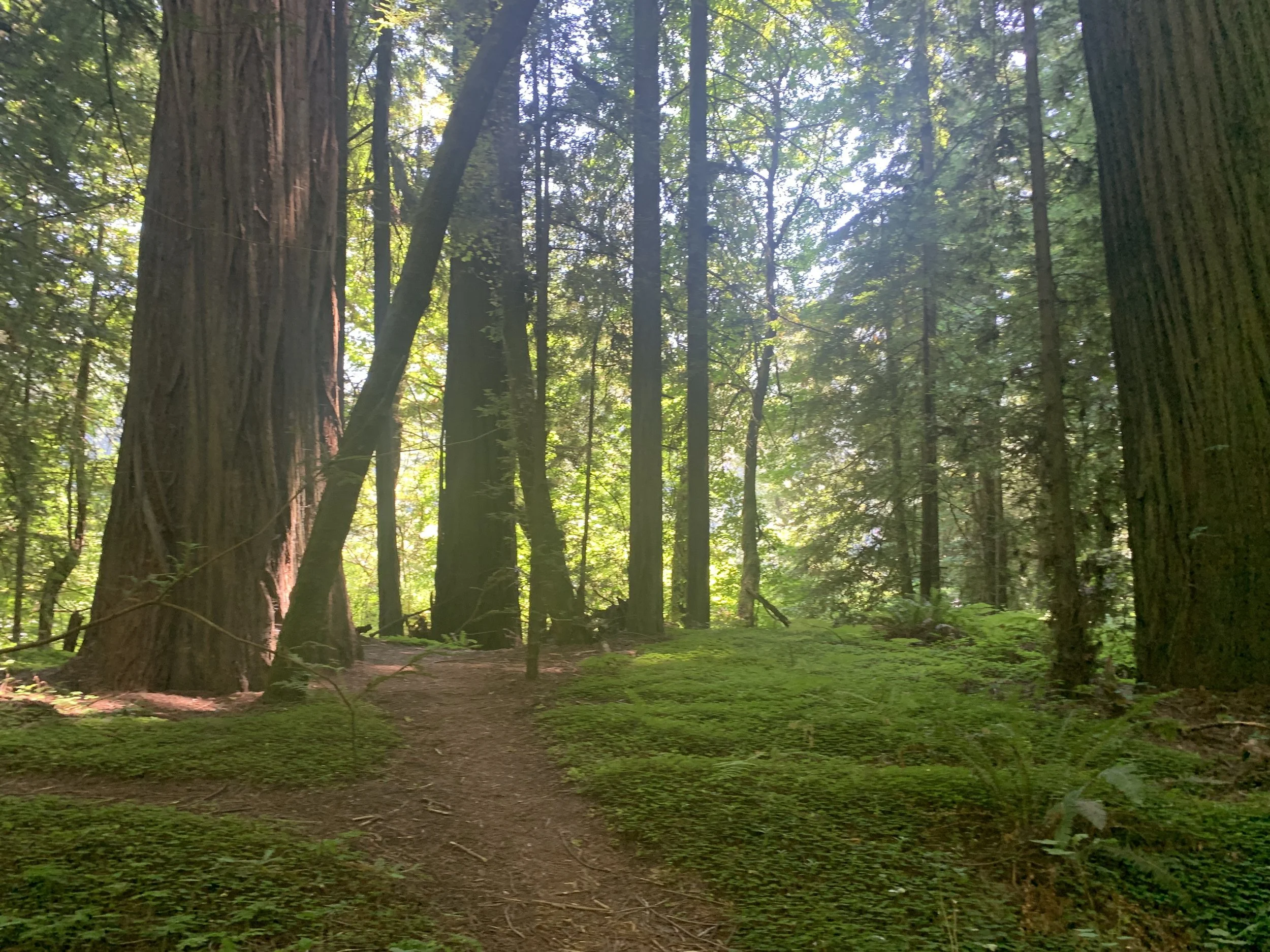
Depression Therapy in Seattle
Depression and numbness are often less about motivation and more about nervous system depletion, protective shutdown, and reduced capacity. This depression therapy Seattle practice approaches these experiences with care, not judgment. If you are in immediate crisis, call or text 988 for the Suicide & Crisis Lifeline.


Understanding Depression and Nervous System Shutdown
For many people, especially those who are neurodivergent, living with chronic stress, or carrying trauma, shutdown is not random or broken. It is a protective response when the system becomes overwhelmed. As a depression therapist Seattle clients work with for this kind of care, I hold that context closely.
Sometimes this experience is also shaped by societal conditions such as political instability, climate distress, systemic injustice, and uncertainty about the future. These are valid sources of nervous system activation and exhaustion.
Depression can create a cycle of disconnection, withdrawal, and difficulty accessing what once felt meaningful or alive.
You Might Be Here Because...
You feel numb, flat, or disconnected. Your system feels tired, shut down, or depleted. Daily tasks feel difficult to start or sustain. Motivation, energy, or interest feels out of reach. Things that once mattered don't feel accessible. You tend to withdraw or isolate when overwhelmed, and are looking for therapy for overwhelm. You feel stuck in cycles of heaviness or shutdown. You have thoughts of not wanting to be here or thoughts of death or not wanting to exist.
What to Expect
We work with depression and shutdown as adaptive states of a nervous system that has been overwhelmed for too long, not as personal failure or lack of effort.
The focus of depression counseling Seattle clients rely on is not forcing motivation or productivity, but restoring capacity, safety, and gentle reconnection over time.
Rather than pushing toward feeling "better," we notice what becomes even slightly more accessible, like ease, interest, sensation, or connection. These small shifts, often called "glimmers," are not goals to achieve, but signals that the system is beginning to come back online in a tolerable way.
We may also explore protective patterns that contribute to withdrawal or shutdown, especially when the system has learned that disengagement is safer than engagement.
Sessions are paced to match your nervous system rather than override it. We often begin by orienting to the present moment, through breath, sensory awareness, or noticing what feels most active or most absent internally.
Some sessions focus on stabilization and grounding. Others may gently touch emotion, memory, or meaning as capacity allows. There is no pressure to perform insight, express emotion, or "do therapy correctly." We work with what is available in the moment, with an emphasis on safety and choice.
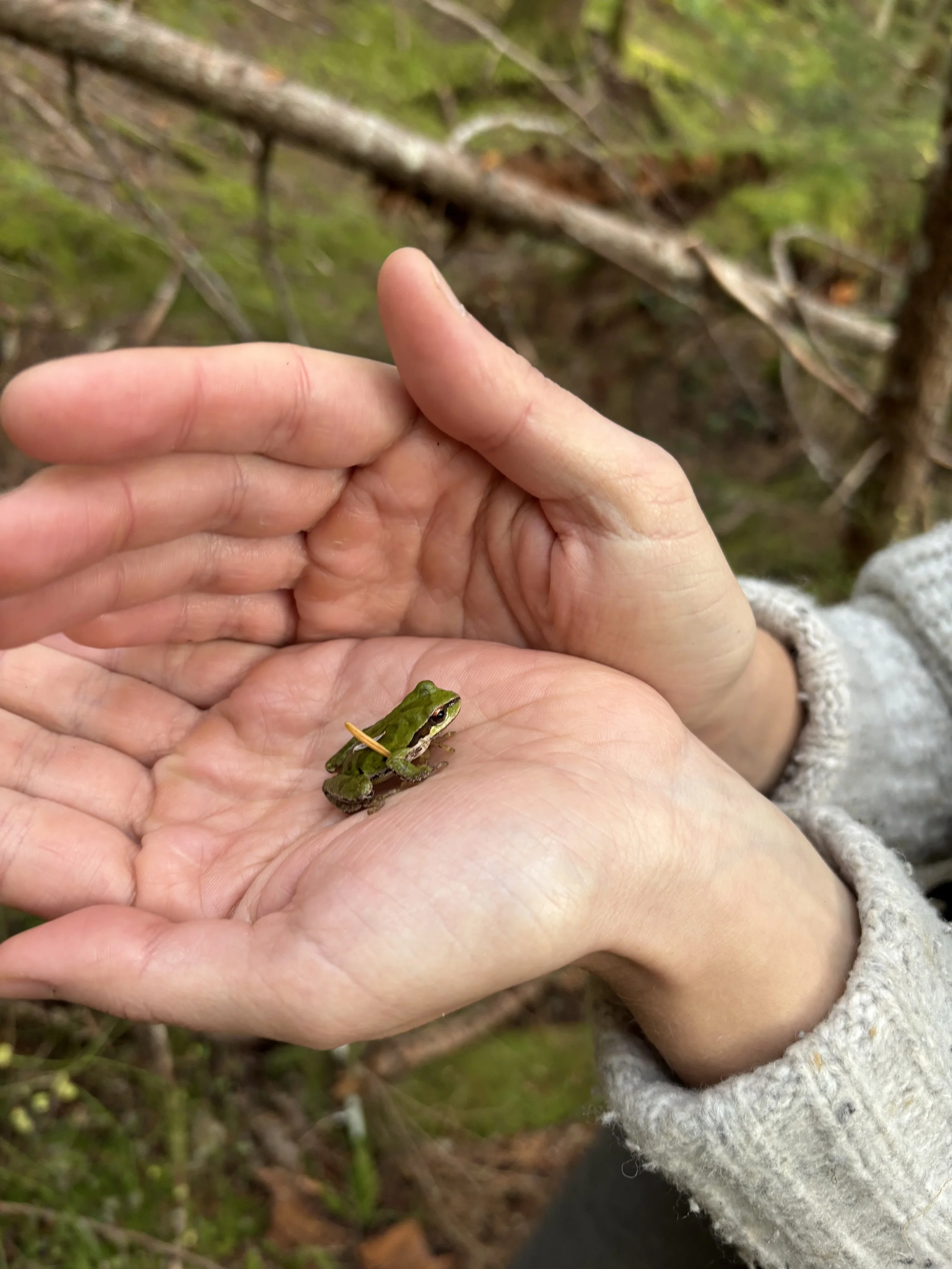
In outdoor sessions, somatic therapy for depression may also use sensory anchors in the environment, such as light, movement, sound, or texture to support regulation and presence without forcing change.

Session Format
We often begin by arriving into the space together, whether in-person outdoors or via telehealth.
This might include orienting to the present moment, noticing what feels most alive or most absent, or simply settling into the session without pressure.
Sessions are flexible and responsive. Some feel more grounding and stabilizing, others allow more space for emotion or meaning as capacity allows. The goal is not to push past your limits, but to gently rebuild access to yourself over time.


Begin Depression Therapy in Seattle
Serena Stark Therapy offers depression therapy in Seattle with outdoor sessions in the Washington Park Arboretum and telehealth across Washington State. Whether you are looking for a Seattle depression therapist for support with numbness, shutdown, burnout, or nervous system depletion, reach out to explore whether this work feels like a fit.
FAQ
Depression and shutdown are often signs that your system has been carrying more than it can hold alone. Therapy can be a place to slowly rebuild capacity, connection, and access to yourself, without rushing the process. Visit the FAQ page for more information about sessions, insurance, and getting started.